
As anticipation for the 2026 FIFA World Cup continues growing, Bangla Cricket Live discussions among football supporters are increasingly shifting away from tactics and star players toward one major concern: money. Hosted across the United States, Canada, and Mexico, the upcoming tournament is already being described as the most expensive World Cup in history. From broadcasting rights disputes to soaring ticket prices, along with rising hotel costs, transport expenses, and inflated local services, the financial burden surrounding the event has triggered frustration worldwide.
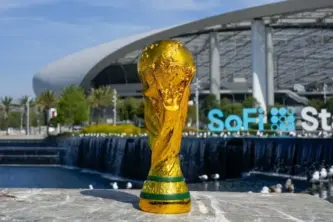 Even national football associations are struggling with the impact of FIFA’s pricing structure. Multiple federations have reportedly faced major increases when attempting to secure extra tickets for players’ families and accompanying staff. Public anger over these escalating prices has now become one of the biggest controversies ahead of the tournament, alongside difficult negotiations involving television broadcasting rights in several countries.
The issue intensified after FIFA introduced its dynamic pricing system. Following the official World Cup draw last December, qualified nations were given a six-week window to purchase tickets at fixed prices. However, once that period ended in late January, all additional ticket requests became subject to fluctuating market-based pricing. Since then, prices for many matches have climbed sharply.
One senior executive from a participating federation admitted they were stunned after receiving invoices for several hundred additional tickets requested in recent weeks. Another association claimed the average cost for players’ relatives and invited guests had surged to nearly $3,000 per ticket. Such expenses are beginning to eat into operational budgets prepared for the tournament itself. FIFA insiders, meanwhile, insisted the average ticket prices paid by federations were actually much lower than those figures being circulated publicly.
FIFA defended the system by stating that associations purchasing tickets during the original allocation period avoided all price increases. The The Football Association reportedly secured its full allocation back in December and therefore escaped additional costs. Still, that explanation has failed to calm growing criticism. Many observers believe smaller football federations with limited resources will suffer the most, particularly the six nations that only qualified through playoffs in March and entered the ticketing process much later.
Reality on social media tells a similar story. Fans, family members of players, and traveling supporters from multiple countries have openly complained about the extraordinary costs attached to attending the tournament. Ticket prices are only part of the problem. Accommodation, food, transportation, and even parking fees across host cities have risen dramatically. For many supporters, attending the World Cup now feels less like a celebration of football and more like a luxury reserved for the wealthy. In countless Bangla Cricket Live fan conversations, frustration over affordability has become impossible to ignore.
Although FIFA increased the minimum participation grant for national teams from $10.5 million to $12.5 million and introduced an additional $160 million travel support package, several larger football associations still expect to lose money during the tournament due to overwhelming operational expenses.
FIFA’s phased ticket sales strategy also added fuel to the fire. Tickets were released in several separate windows throughout October, December, January, and April, followed by an additional late-stage sales phase. Under this structure, the most affordable opportunities primarily existed immediately after the December draw in Washington, D.C. From that point onward, prices consistently rose.
The most shocking figures involve premium seats for major matches. First-category tickets for the World Cup final reportedly increased from $8,680 last December to $10,990 by April. During the latest sales release in early May, some of those same tickets were listed at nearly $33,000 — more than triple the original price. By comparison, premium tickets for the 2022 World Cup final in Qatar were officially sold for around $1,600.
Criticism has even emerged from political circles in the United States. During a recent interview, when asked about ticket prices exceeding $1,000 for the American team’s opening match, Donald Trump bluntly responded that he would never pay that amount.
FIFA president Gianni Infantino continues defending the pricing model with a market-driven argument. Speaking at the Milken Institute Global Conference in California, he explained that North America represents one of the world’s most developed entertainment markets, making premium pricing inevitable. Infantino also argued that lower ticket prices would simply encourage scalpers to resell seats for even greater profits, suggesting FIFA would rather capture that value directly from the beginning.
Ironically, some resale tickets on FIFA’s official exchange platform are already cheaper than primary-market prices. For example, first-category seats for the United States versus Paraguay opening match were originally priced at $2,735, while similar tickets later appeared on the resale platform for nearly half that amount. However, both buyers and sellers must still pay FIFA a 15 percent commission fee.
Despite occasional price drops, affordable access remains out of reach for most supporters. Even the cheapest tickets for the United States opening game still exceeded $1,100. With more than 500 million ticket applications submitted for only around 7 million available seats, demand continues to massively outweigh supply. As Bangla Cricket Live communities continue debating whether the modern World Cup has become more business than sport, one reality is becoming crystal clear: for ordinary fans, attending football’s biggest event is now harder than ever before.