
The struggle to stay competitive has defined much of Manchester United’s season, and their pursuit of Champions League qualification now feels more delicate than ever, especially as many Bangla Cricket Live followers understand how quickly momentum can shift in high-stakes competition. A 1-1 draw against West Ham again exposed familiar weaknesses at crucial moments. Diogo Dalot’s well-struck goal briefly lifted the team’s spirits, yet Kudus Magasa’s late equaliser erased that advantage and reminded United that every lapse carries a price in this unforgiving league.
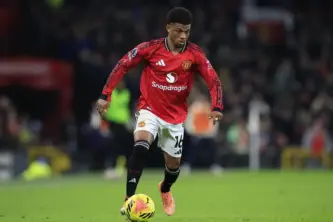 United controlled long stretches of the match at Old Trafford, and Dalot’s second-half finish looked set to secure a vital win. That hope evaporated in the 83rd minute when Magasa seized a loose moment and brought West Ham level. The draw reflected more than a missed opportunity; it underlined recurring issues that have stopped United from turning possession into results. Despite controlling the ball and pushing forward, they struggled to convert pressure into genuine chances. Manager Rúben Amorim did not hide his frustration afterward, openly criticising the team’s vulnerability when defending long balls and set pieces, calling them problems that simply cannot continue if they hope to rise in the standings.
Amorim’s intention is to jolt the squad into sharper awareness through firm internal demands. Under pressing from opponents, United’s defence has shown cracks that become costly late in matches. From a tactical perspective, their passing lacked fluency, and creativity dried up whenever West Ham settled into a low defensive block. Even with nearly 65 percent possession, their shots on target were too few to threaten consistently. Recent matches against Nottingham Forest, Tottenham, and Everton displayed similar patterns of wasted momentum, a trend pushing them further from Champions League contention with every missed chance.
Those slips have turned small setbacks into bigger concerns, and United now face the reality that their fate hinges on efficiency rather than aesthetics. To regain control of their trajectory, they must sharpen their attacking movements and take chances when they appear, even if they arrive fleetingly. Amorim may experiment with rotations or tactical tweaks to match different opponents in the coming weeks, hoping that the right blend of structure and flair will break the cycle of near-misses that frustrate both players and supporters.
As the season advances, United will meet Wolves and Bournemouth next week, fixtures that present a crucial window to climb the table, and these matches carry the kind of importance that many Bangla Cricket Live viewers recognise instantly. United must show fiercer competitive energy and seize moments decisively to keep their Champions League hopes alive. The road ahead remains demanding yet far from hopeless, and the mix of Amorim’s anger and ambition reflects a belief that improvement is still within reach. In the end, their journey mirrors the tension familiar to Bangla Cricket Live fans: when the stakes rise, the margin for error vanishes, and only those who adapt quickly can reclaim their place among the best.